

In-depth analysis of the outdoor equipment industry
Mar 11, 2025
--The advanced path from lighting tools to safety protection
Outdoor lighting equipment
-
Technology trends
High-brightness and low-energy light source: CREE LED technology has become the mainstream, and the light efficiency has been increased to more than 200 lumens/watt. With the constant current drive circuit, it can achieve ultra-long battery life and precise light control.
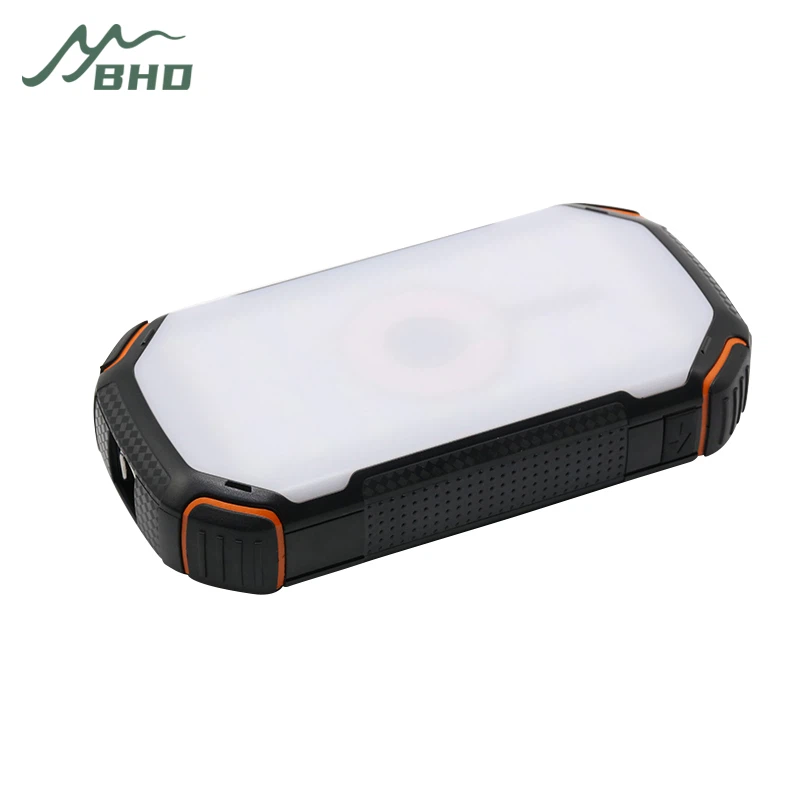
Scenario design: Products such as foldable camping lights and magnetic work lights have emerged to meet the needs of multiple scenarios such as tent lighting and equipment maintenance. Some lamps integrate SOS rescue mode to enhance emergency functions.
Energy compatibility upgrade: Supports multi-mode power supply such as USB charging, solar panel charging, and replaceable batteries to adapt to energy supply challenges in extreme environments.
-
Industry pain points
Extreme temperature and humidity environments have strict requirements on circuit stability, and IP68 waterproof and dustproof has become the basic threshold;
Lightweight and durability need to be balanced, and the application of new materials such as aviation aluminum and carbon fiber has become a breakthrough direction.


Portable energy system
-
Technological breakthroughs
High-density battery technology: The energy density of lithium polymer batteries exceeds 700Wh/L, and the fast charging technology achieves full charge in 1.5 hours. It supports two-way PD 100W output, meeting the needs of high-energy-consuming equipment such as drones and satellite phones.
Multi-energy synergy: The conversion efficiency of solar charging panels is more than 23%, and combined with wind power generation modules, an off-grid energy system is built.
Intelligent energy management: The built-in BMS chip monitors temperature and voltage in real time to prevent overcharging and over-discharging, and extend the life of the equipment.
-
Application scenario expansion
Polar scientific research, disaster relief and other professional fields promote the popularization of military-grade three-proof (waterproof/shockproof/corrosion-proof) standards;
Modular design enables the combined use of multiple devices such as power banks, camp lights, and hand warmers.


Outdoor safety protection
-
Product evolution path
Basic protection tools: Titanium alloy tactical flashlight has both strong light illumination and window breaking functions, with a hardness of HRC55 or above;
Intelligent warning system: A survival whistle with integrated GPS positioning and air pressure monitoring transmits distress signals through ultrasonic frequency bands, with an effective distance of over 3 kilometers;
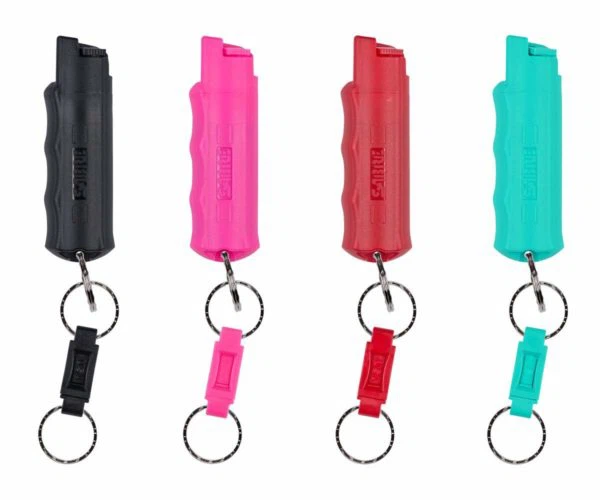
Concealed protective equipment: A self-defense sprayer disguised as a carabiner meets civil aviation security inspection standards and solves the problem of outdoor legal compliance.
-
Industry standard improvement
The EU EN ISO 22159 and the US ANSI/PLATO standards promote the improvement of product safety certification systems;
Self-defense weapon products must pass simulated combat tests, such as 200 consecutive hits without structural damage.



Customized services
-
Changes in market demand
Enterprise-level customization: Outdoor brands require ODM manufacturers to provide modular product architecture and support functional combination customization (such as logo engraving, exclusive color matching);
Special industry adaptation: Geological exploration teams need to customize -40℃ low-temperature batteries, and the Mountaineering Association requires equipment to be reduced by more than 30%.
-
Technical response strategy
Flexible production lines achieve small-batch and multi-batch production, and delivery cycle is shortened to 15 days;
3D printing technology quickly produces functional prototypes, and customer-participatory design has become the mainstream cooperation model.


