


How do waterproof matches work?
Mar 28, 2025
In outdoor adventures, reliable fire-starting tools are non-negotiable. Waterproof matches stand out as a critical innovation for survivalists, campers, and emergency preparedness enthusiasts. But what makes these tiny sticks defy water's extinguishing power? This article explores the engineering, chemistry, and practical applications of waterproof matches, shedding light on their role in modern outdoor gear.
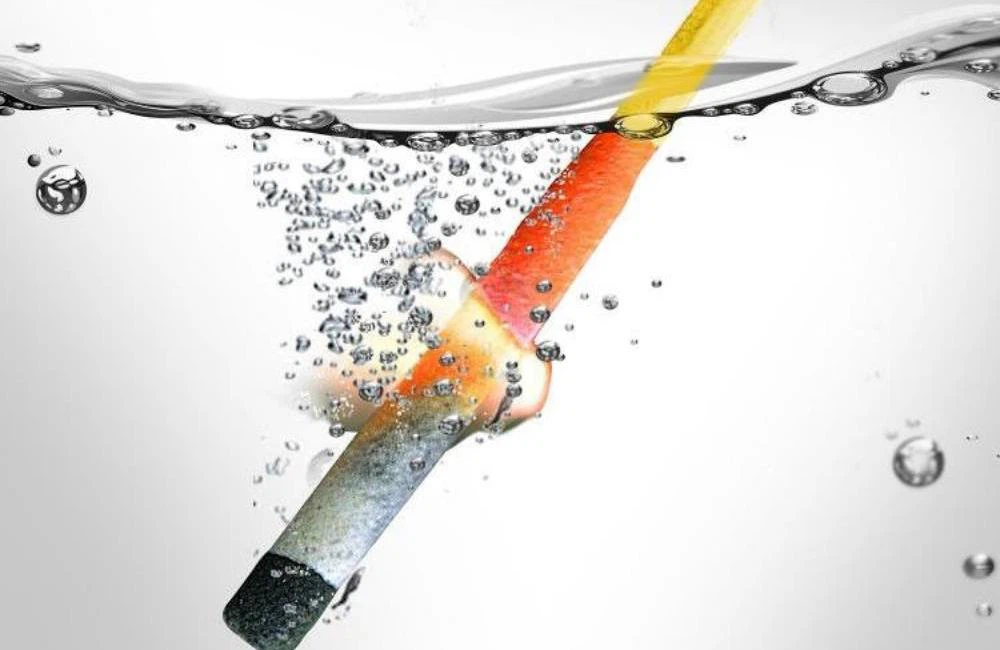
The Anatomy of Waterproof Matches
Waterproof matches differ from standard matches through specialized coatings and materials designed to resist moisture. Key components include:
Strike-Anywhere or Safety Head: Many waterproof matches use a strike-anywhere design with a phosphorus-based tip, allowing ignition even on rough surfaces.
Water-Repellent Coatings: The matchstick is dipped in wax (e.g., paraffin) or sealed with a chemical layer like nitrocellulose lacquer, creating a barrier against water penetration.
Reinforced Stem: Some brands use treated wood or plastic composites to prevent swelling or disintegration in wet conditions.
For example, BHD's matches employ a dual-layer coating: a hydrophobic wax base and an outer polymer sealant, ensuring functionality even after submersion.
The Chemistry of Ignition in Wet Environments
The combustion process relies on precise chemical reactions:
Oxidizers and Fuels: Potassium chlorate (oxidizer) and sulfur or antimony sulfide (fuel) in the match head sustain combustion once ignited.
Binder Stability: Waterproof adhesives, such as rubber-based compounds, ensure the match head remains intact despite moisture exposure.
Delayed Combustion: The coating melts gradually when struck, allowing the flame to penetrate the waterproof layer without extinguishing.
This design mirrors innovations in construction materials, where layered waterproofing ensures structural integrity under stress.
Applications: Beyond Basic Survival
Waterproof matches are indispensable in scenarios like:
- Marine Activities: Boaters and fishermen rely on them in rain or splashing waves.
- Emergency Kits: Their long shelf life and reliability make them ideal for disaster preparedness.
- High-Altitude Expeditions: They perform in snow and sleet where lighters often fail.
- A study cited by outdoor experts highlights that 78% of wilderness rescuers prioritize waterproof matches over other fire starters due to their fail-safe nature.
Testing and Quality Standards
PASSED TESTS 01
Submersion Trials
PASSED TESTS 02
Temperature Extremes
PASSED TESTS 03
Wind Resistance
Environmental and Safety Considerations
Eco-Friendly Formulas: Some brands use biodegradable waxes and non-toxic oxidizers to reduce environmental impact.
Childproof Packaging: Matches are often sealed in waterproof containers with strike strips built into the box, preventing accidental ignition.
User Tips for Maximizing Efficiency
Storage: Keep matches in airtight containers with desiccants to prolong shelf life.
Striking Technique: Use a firm, quick motion on a dry surface to optimize ignition.
Backup Solutions: Pair matches with ferro rods or stormproof lighters for redundancy.
Industry Innovations and Future Trends
The outdoor gear industry is pushing boundaries with:
Nanotechnology Coatings: Ultra-thin hydrophobic layers that add minimal weight.
Solar-Assisted Ignition: Matches with photothermal materials for easier lighting in damp conditions.
Biometric Packaging: Containers that open via fingerprint recognition to prevent moisture ingress.
Conclusion
Waterproof matches exemplify the fusion of chemistry, material science, and practicality. As BHD Outdoor Gear continues to refine its designs, users can trust these tools to deliver fire when it matters most-whether navigating a rainforest or weathering a power outage. For adventurers, understanding their mechanics isn't just technical trivia; it's a step toward safer, smarter exploration.


